Despite Denmark’s reputation as one of the world’s happiest countries, 600 people take their own lives every year. For Livslinien, the national suicide prevention helpline, the challenge wasn't just answering calls — it was reaching people before they reached the point of no return. We needed to find a way to intervene in a mindset so convinced of its own logic that the idea of asking for help felt like an additional burden.
Task
The reasons for suicide are complex, but a recurring insight from Livslinien’s work is a devastating rationalization: many people believe they are a burden to their friends and family, and that by leaving, they are doing their loved ones a favor. This creates a logical barrier that prevents them from seeking help.
Our task was to dismantle this misconception by shifting the focus from the internal feeling of being a "nuisance" to the undeniable reality of the aftermath. We needed to prove that suicide doesn't offer relief to those left behind; it leaves a sudden, permanent grief that’s present the rest of their lives.
Solution
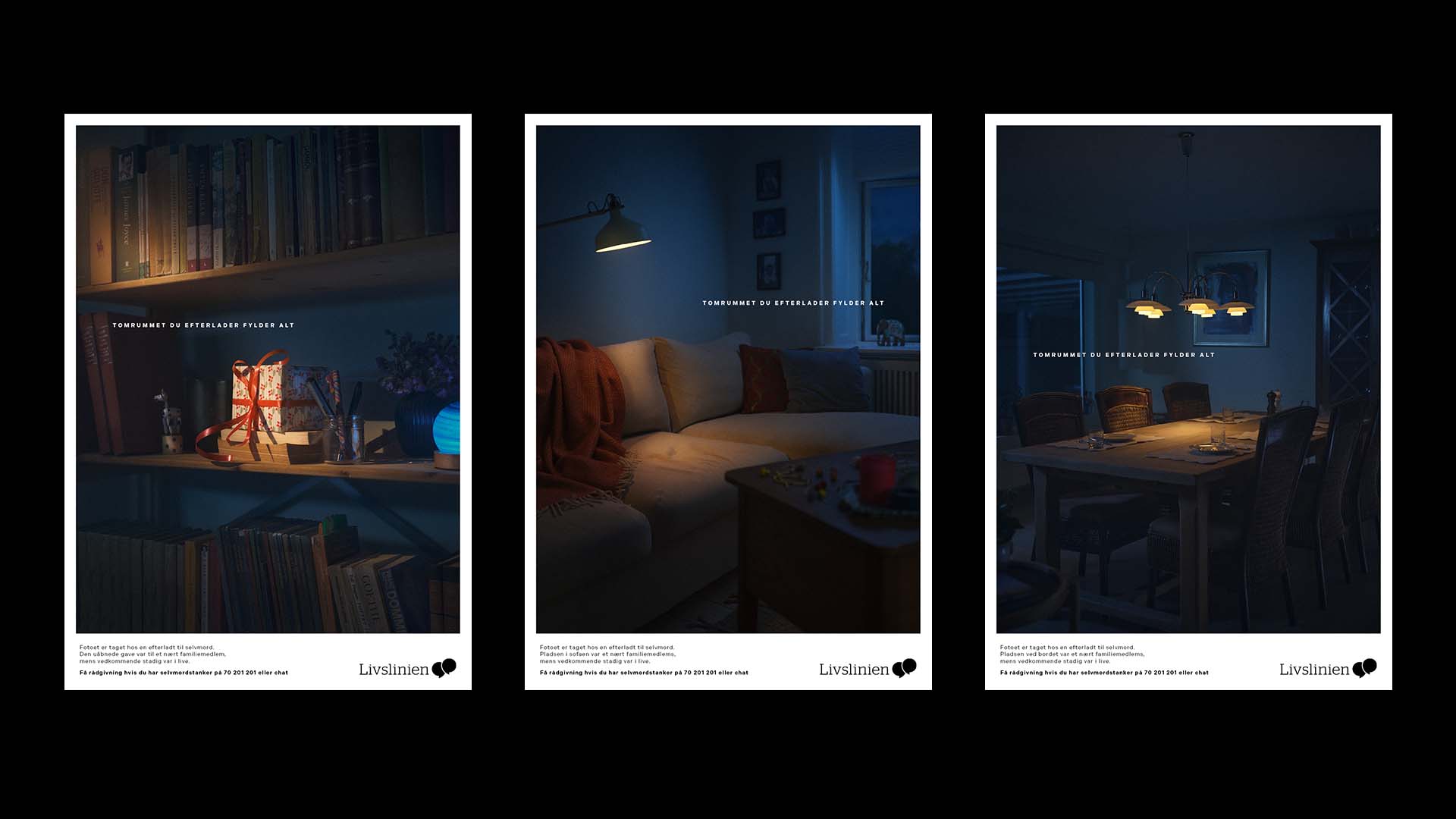
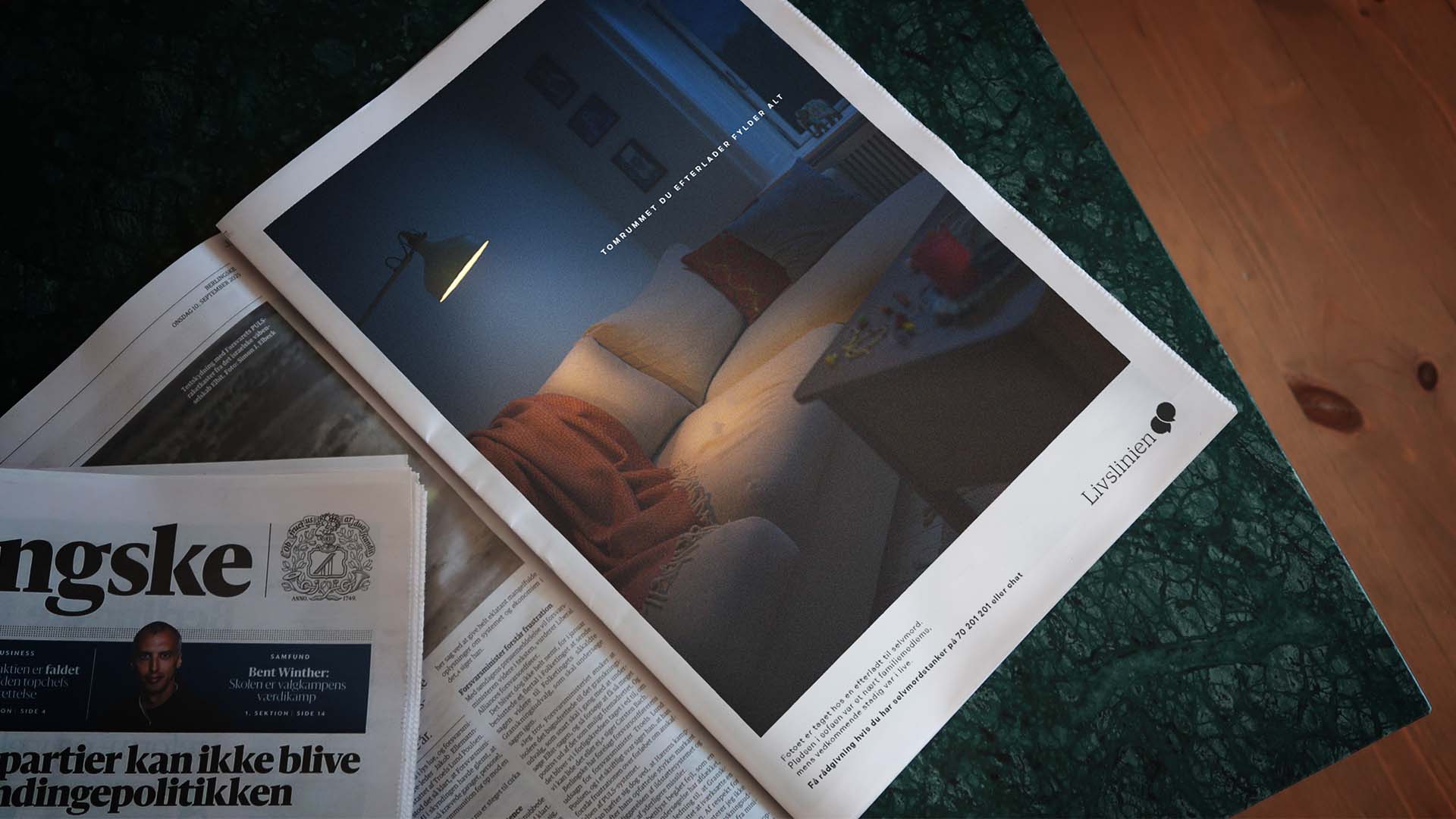
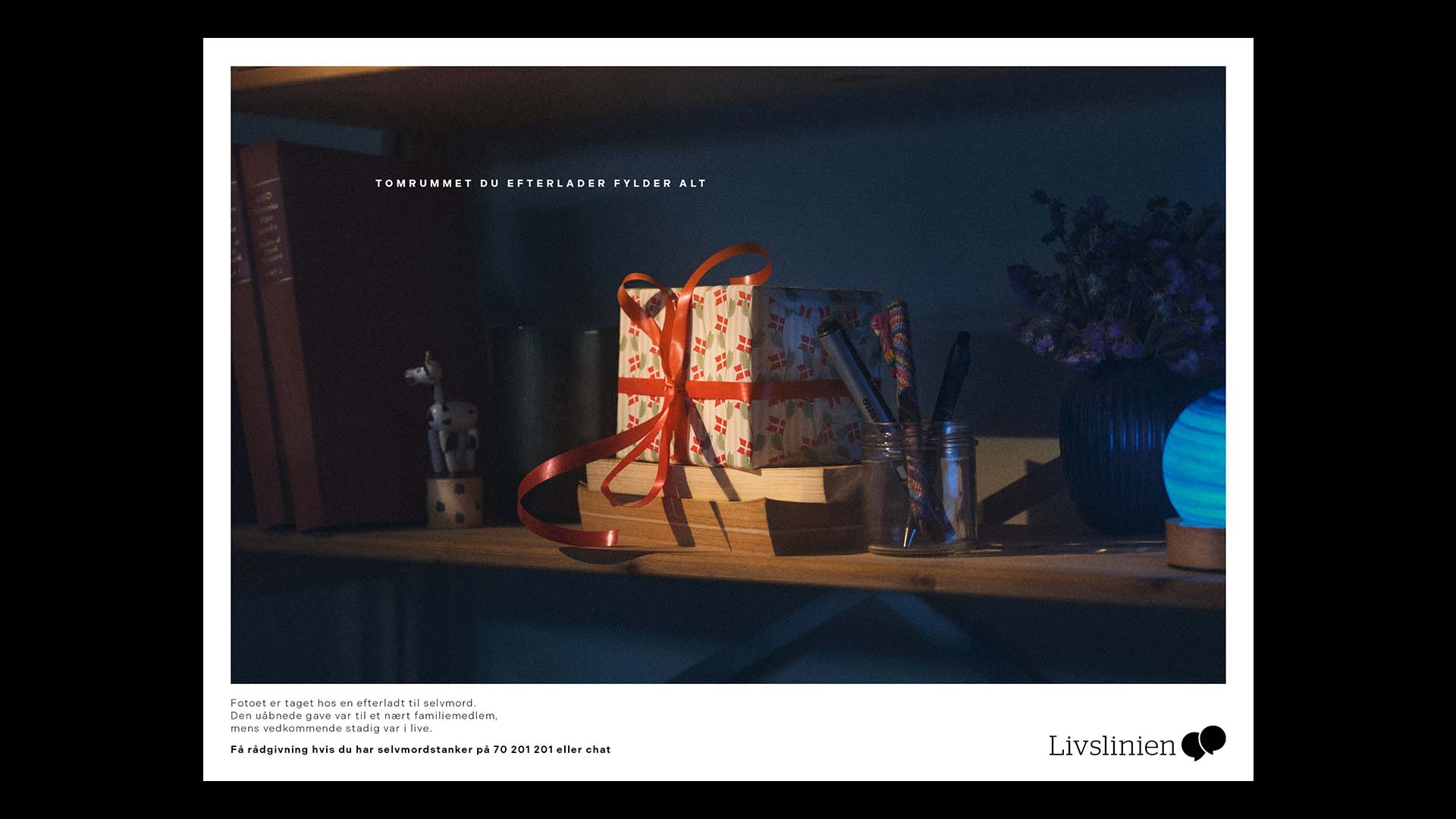
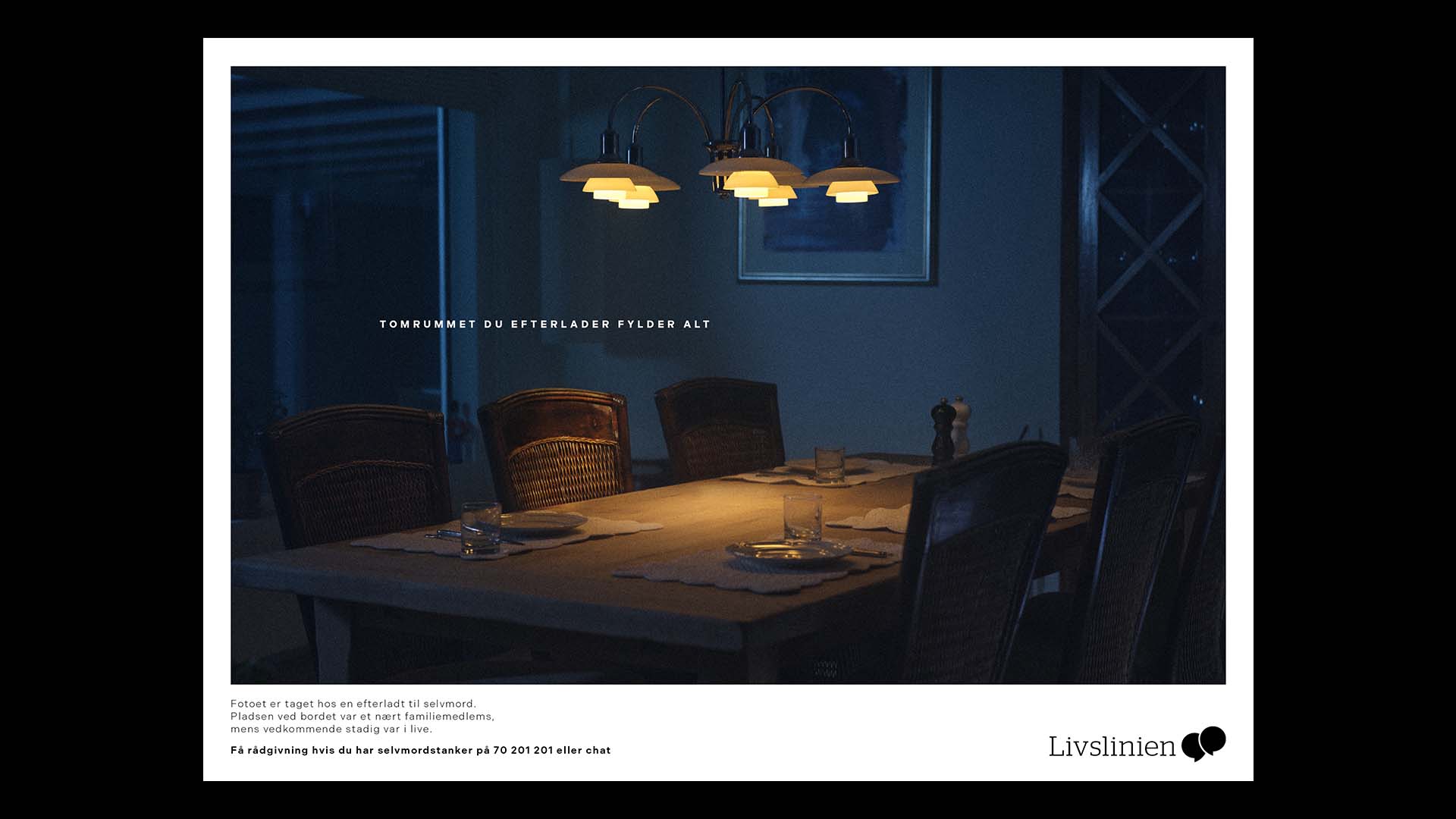
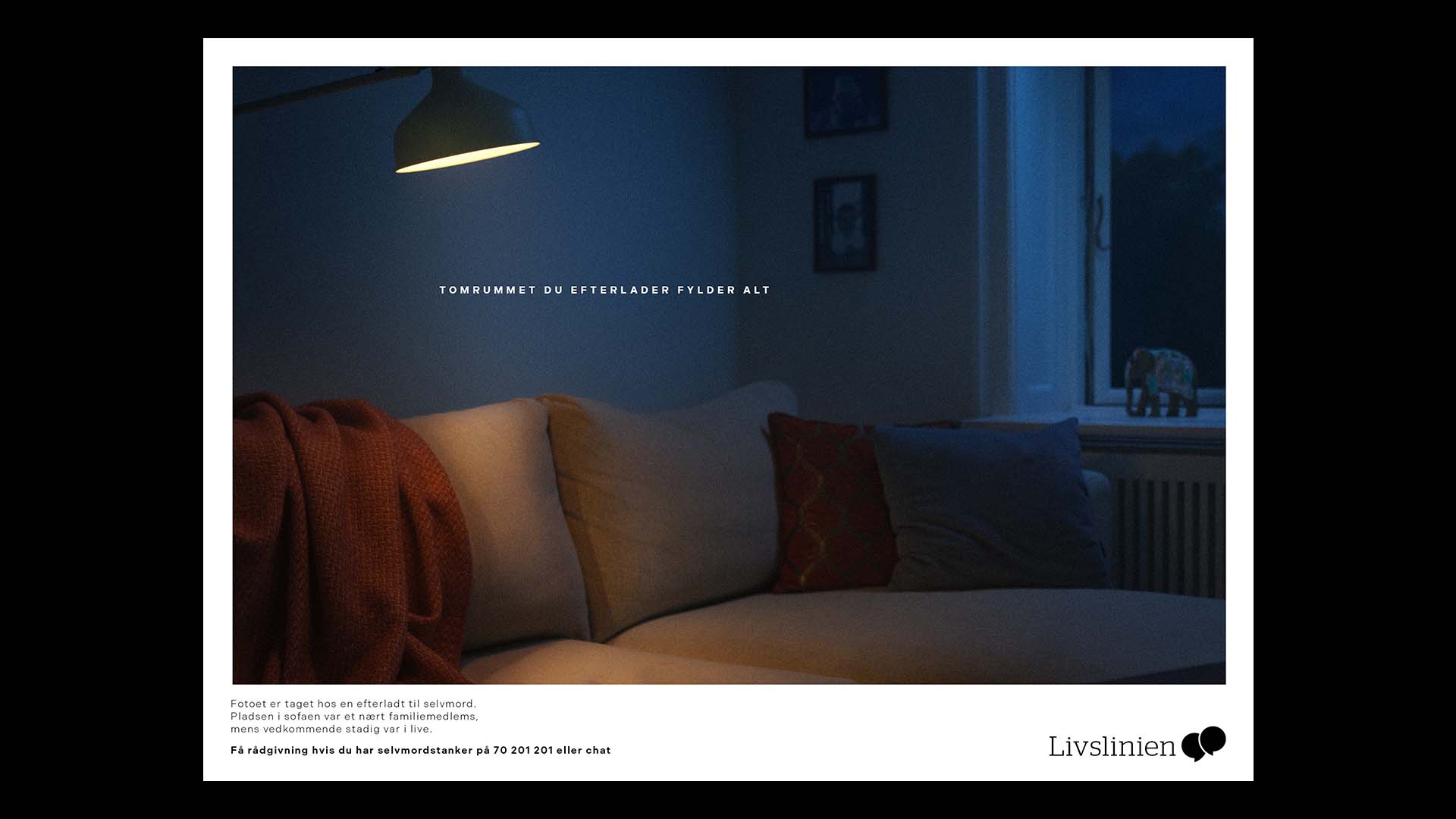
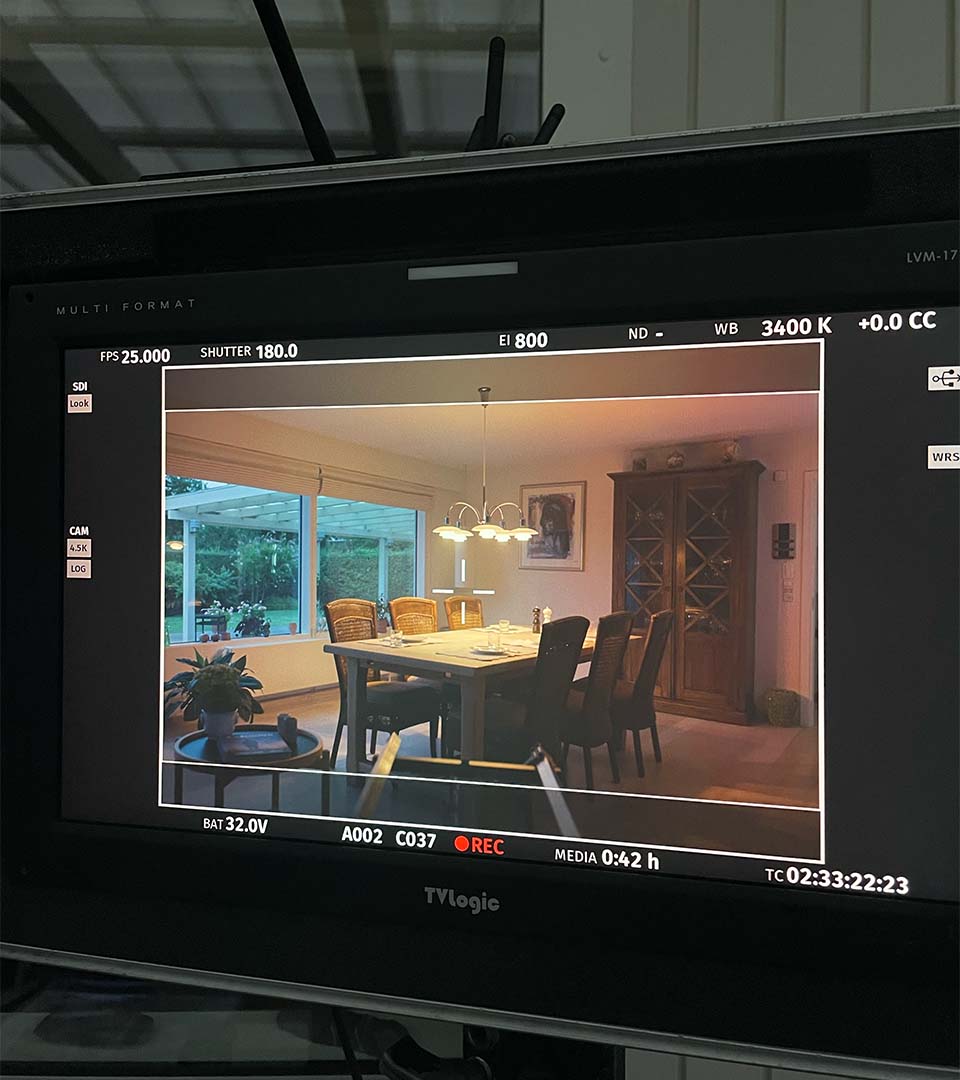
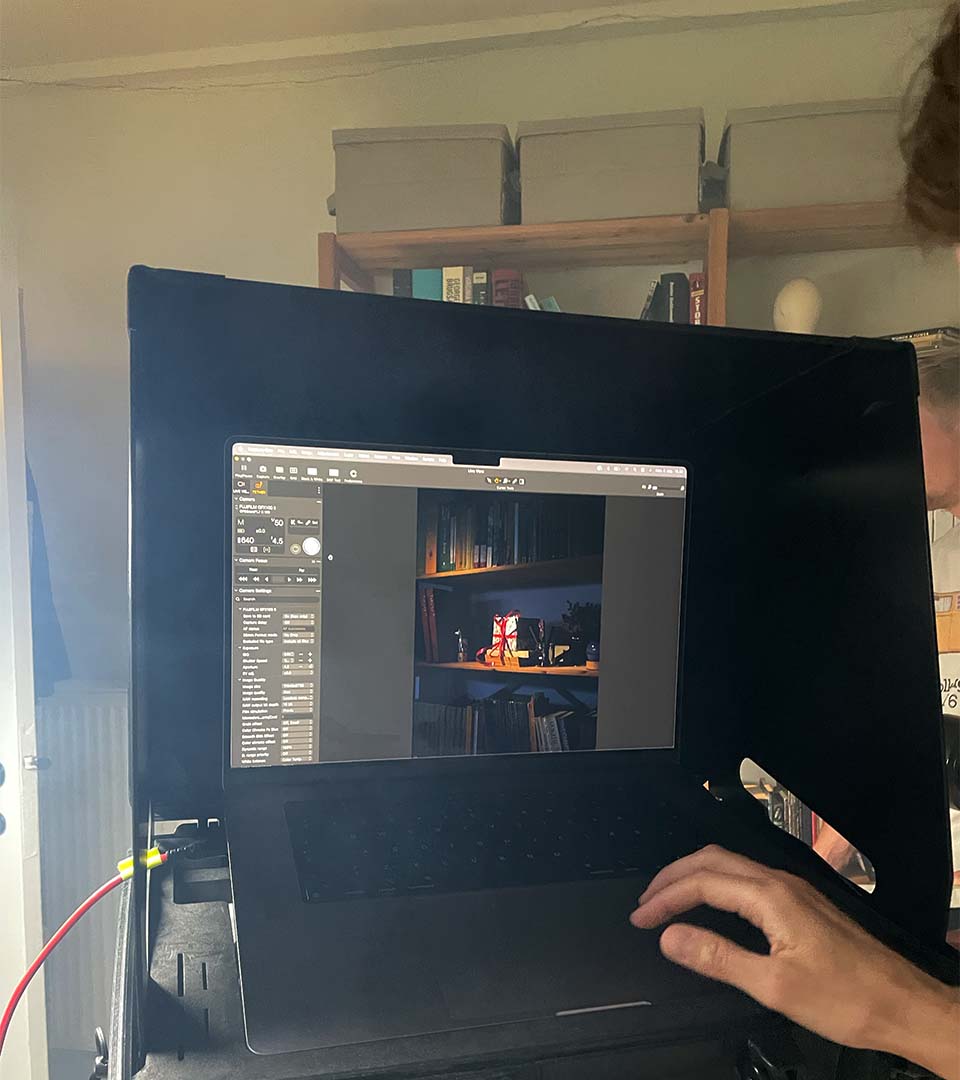
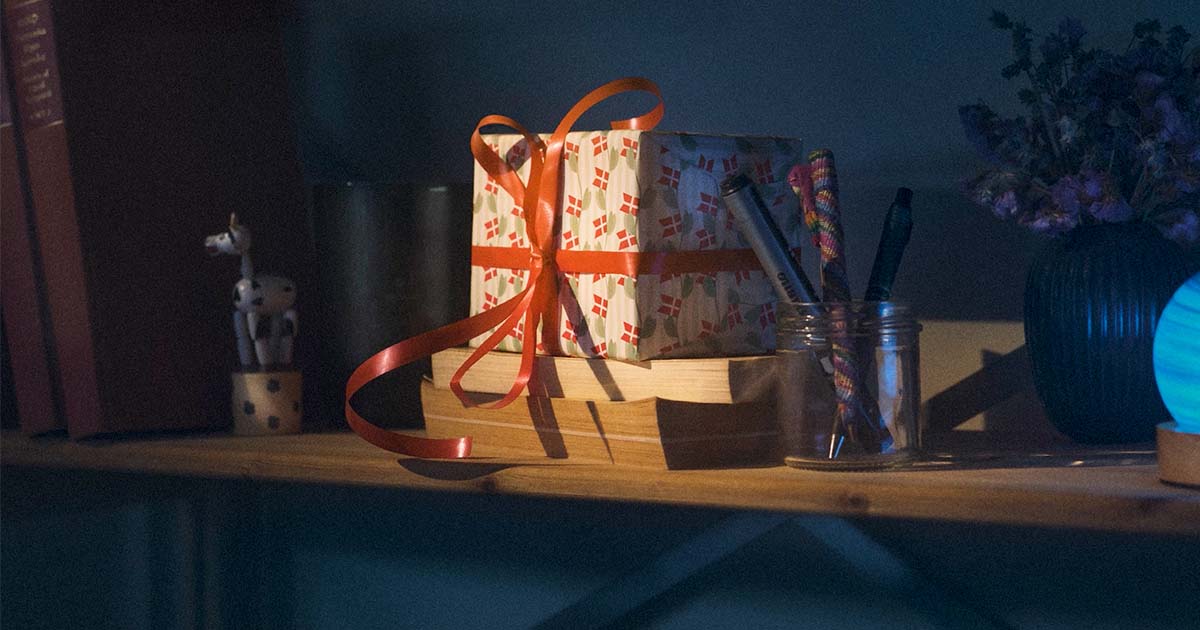
We chose to show the truth through a lens of raw, heartbreaking authenticity. Rather than using actors or sets, we centered the campaign on three real stories from people who had lost a loved one. We filmed and photographed the actual empty spaces in their homes —rooms and objects where the presence of the deceased still lingers, but the person is gone. Launched on World Suicide Prevention Day, the campaign anchored itself on a single truth: "The void you leave fills everything." This message was delivered through a hero film and a series of print and outdoor posters that documented these physical voids, such as an unopened gift never given. By collaborating closely with the bereaved and Livslinien, we created a quiet, respectful intervention that spoke directly to the heart of the misconception, proving that the space left behind isn't a relief — it’s a loss that fills everything.